The Renovation Projects That Actually Add Resale Value (And the Ones That Don't)
Interior designer and property investor Olivia Grant breaks down which renovations add real resale value and which ones just drain your budget.
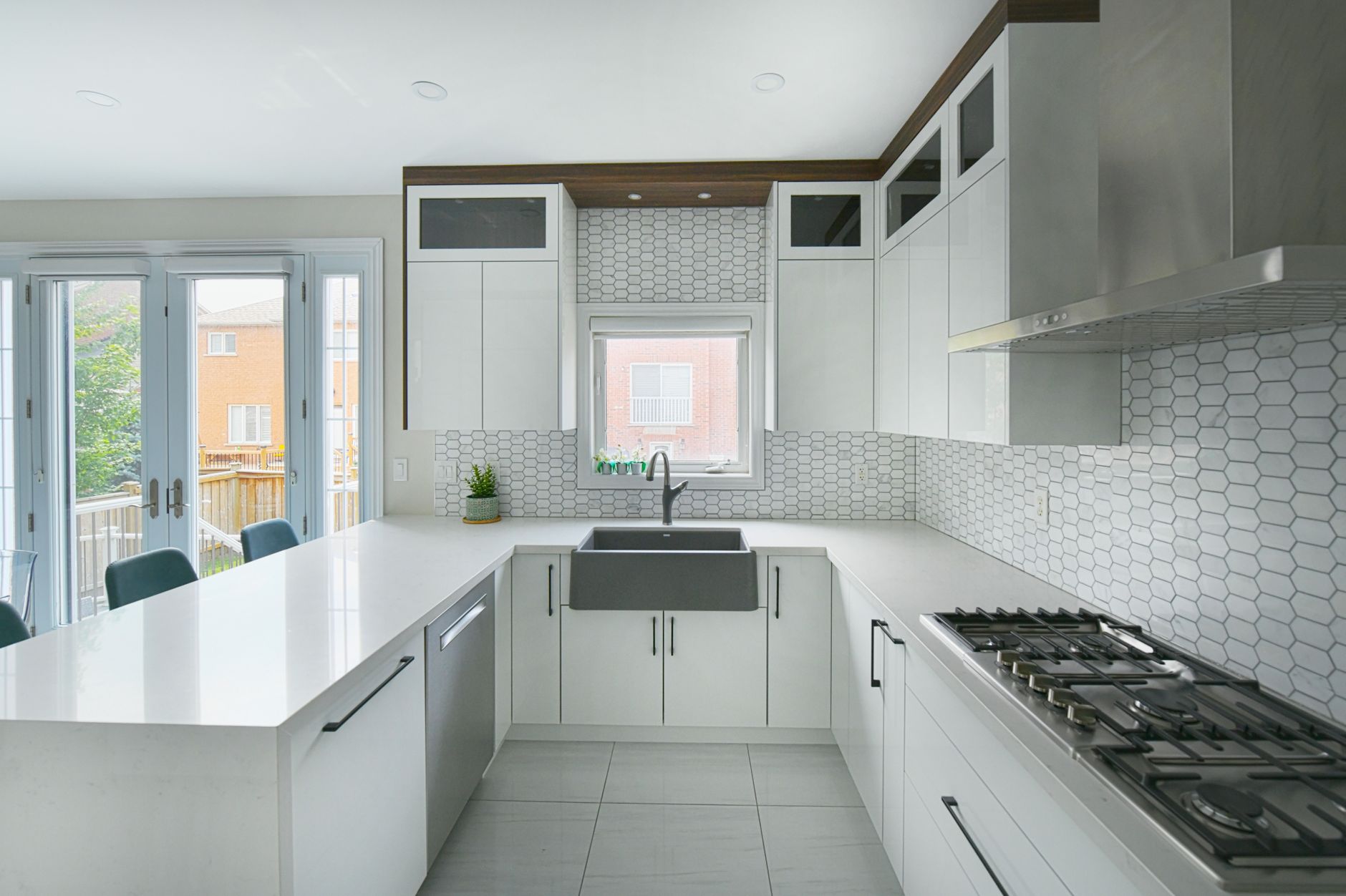
Most homeowners renovate emotionally. They want the kitchen they've always dreamed about, the spa bathroom, the open-plan living room that feels like a magazine shoot. And I get it. But when you're spending $40,000 on a project with the expectation of recouping it at sale, feelings are an expensive guide. According to Remodeling Magazine's 2023 Cost vs. Value Report, the average mid-range kitchen remodel recoups around 85% of its cost at resale - which sounds decent until you realize a minor kitchen refresh, at roughly a quarter of the price, often recoups more. That gap matters enormously if you're treating your home as an asset.
Interior designer and property investor Olivia Grant breaks down which renovations add real resale value and which ones just drain your budget.
Kitchen Updates Beat Full Remodels Almost Every Time
When I first started flipping houses, I made the classic mistake of gutting kitchens completely. New layout, custom cabinetry, the works. It looked incredible. But the return was underwhelming because buyers were discounting the work I couldn't see - the old roof, the aging HVAC - regardless of how stunning the kitchen looked. What I learned is that a refreshed kitchen signals care without overbuilding for the neighborhood. New cabinet fronts, a quartz countertop in the $60-to-$90-per-square-foot range, updated hardware, and a single statement backsplash tile. That package often costs somewhere between $8,000 and $15,000 and reads as a full renovation to most buyers.
The misconception I hear constantly is that high-end appliances add value. They don't, at least not proportionally. A $4,500 refrigerator doesn't add $4,500 to your sale price. What buyers actually respond to is cohesion and cleanliness. Matching appliance finishes, clean lines, and adequate storage. If your kitchen currently has laminate counters, dark oak cabinets from 1998, and mismatched appliances, you don't need a full demo. You need a strategic refresh that makes the space feel current without overspending on a room that buyers will inevitably want to personalize themselves.
And here's the practical reality: if you're in a neighborhood where homes sell between $350,000 and $500,000, nobody expects a $60,000 chef's kitchen. Over-improving for your price point is one of the most common ways sellers leave money on the table. Match the renovation ceiling to the neighborhood ceiling. Always.
Bathrooms: The Primary Suite Matters More Than the Guest Bath
Not all bathroom renovations are created equal, and buyers don't treat them equally either. In my experience working with buyers and sellers, the primary bathroom carries significantly more weight than any secondary bath in the house. It's the room that closes deals. A tired primary bath with pink tile, a builder-grade vanity, and inadequate lighting will knock $15,000 to $25,000 off what buyers are willing to offer, even when everything else looks sharp.
A mid-range primary bathroom update - new vanity with double sinks, a tiled walk-in shower replacing a tub-shower combo, updated lighting, and a fresh floor - typically runs between $12,000 and $22,000 depending on your market. That's a very different investment from a full gut renovation at $40,000-plus, and the return is considerably stronger on the moderate version. The key design choices that photograph well and feel premium without breaking the budget are large-format floor tiles in a neutral tone, frameless shower glass (even a partial panel), and warm LED vanity lighting. Those three elements alone transform the perception of a space.
But I want to be honest about something that doesn't always work: converting a bathtub to a walk-in shower in a home with only one full bath. Buyers with young children are immediately filtered out when there's no tub in the house, and that limits your buyer pool in ways that can hurt your final price. If there's a second bathroom with a tub, you're fine. If there isn't, keep the tub. This is one of those areas where design preference and resale strategy genuinely conflict.
Curb Appeal Renovations Are Undervalued and Underpriced
Sellers obsess over what's inside while buyers form opinions before they reach the front door. I've seen beautiful interiors fail to generate offers simply because the exterior looked tired. Cracked driveway, faded paint, overgrown landscaping. Buyers assume the interior will have the same neglect, even when it doesn't. First impressions are doing serious financial work in a real estate transaction.
The good news is that curb appeal improvements are among the highest-ROI projects available. A fresh exterior paint job on a single-family home runs roughly $3,000 to $6,000 depending on size and condition, and consistently ranks among the top-returning renovations in annual industry surveys. New garage doors have recouped over 90% of their cost in multiple years of the Remodeling Magazine Cost vs. Value data. Replacing a front entry door in a bold but classic color, adding outdoor lighting, and spending $1,500 on professional landscaping cleanup can shift a buyer's emotional starting point from skepticism to excitement before they step inside.
So if your renovation budget is genuinely limited, I'd argue that exterior improvements deserve priority over interior upgrades in almost every scenario. An ugly house with a beautiful kitchen still feels like an ugly house. A well-kept exterior with a dated interior gets buyers mentally invested, which makes them more forgiving of what they find once the door opens.
The Mechanical and Structural Work You Can't Afford to Skip
This is the part no one wants to talk about at a dinner party, but it's where I see sellers get ambushed. Buyers today come with savvy inspectors and sometimes their own contractors. When the inspection report comes back with a 15-year-old roof, an HVAC system that's limping along, or a panel that needs upgrading, you're either renegotiating the price or watching the deal collapse. And in most cases, the price concession is higher than what the repair would have cost.
A new roof on an average single-family home costs between $9,000 and $20,000. It's not glamorous. It won't make it into any listing photos. But it removes one of the biggest buyer objections that exists. In my work with sellers preparing properties for market, the ones who address the roof and HVAC proactively almost always net more than the ones who disclose and discount. Buyers fear the unknown more than they fear a known cost. A new roof with a transferable warranty is a selling point, not just a line item.
There's a genuine debate in the industry about whether sellers should complete these repairs or offer credits at closing instead. I come down firmly on the side of completing them when budget allows, because a credit still plants the seed of doubt. A buyer who accepts a $12,000 roof credit will spend the next three years every time it rains wondering when the roof is going to fail. That anxiety gets projected back onto the home and sometimes the seller's agent in the form of post-closing complaints. Do the work. Sell with confidence. That's what the numbers support, and it's what I've built my investment approach around.
The one thing you can do today: pull your home's current inspection report or, if you don't have one, schedule a pre-listing inspection before you commit any renovation budget. Knowing what buyers will find before they find it is the clearest possible picture of where your money should actually go. Don't let a designer talk you into new countertops when your electrical panel is a liability waiting to surface. Fix the objections first, then invest in the impressions. That's the sequence that maximizes resale value every single time.