How to Stage a Home for Sale Without Hiring a Stager (And Still Get Top Dollar)
Interior designer and property investor Olivia Grant shares her practical, design-forward guide to staging a home for sale without paying a professional.
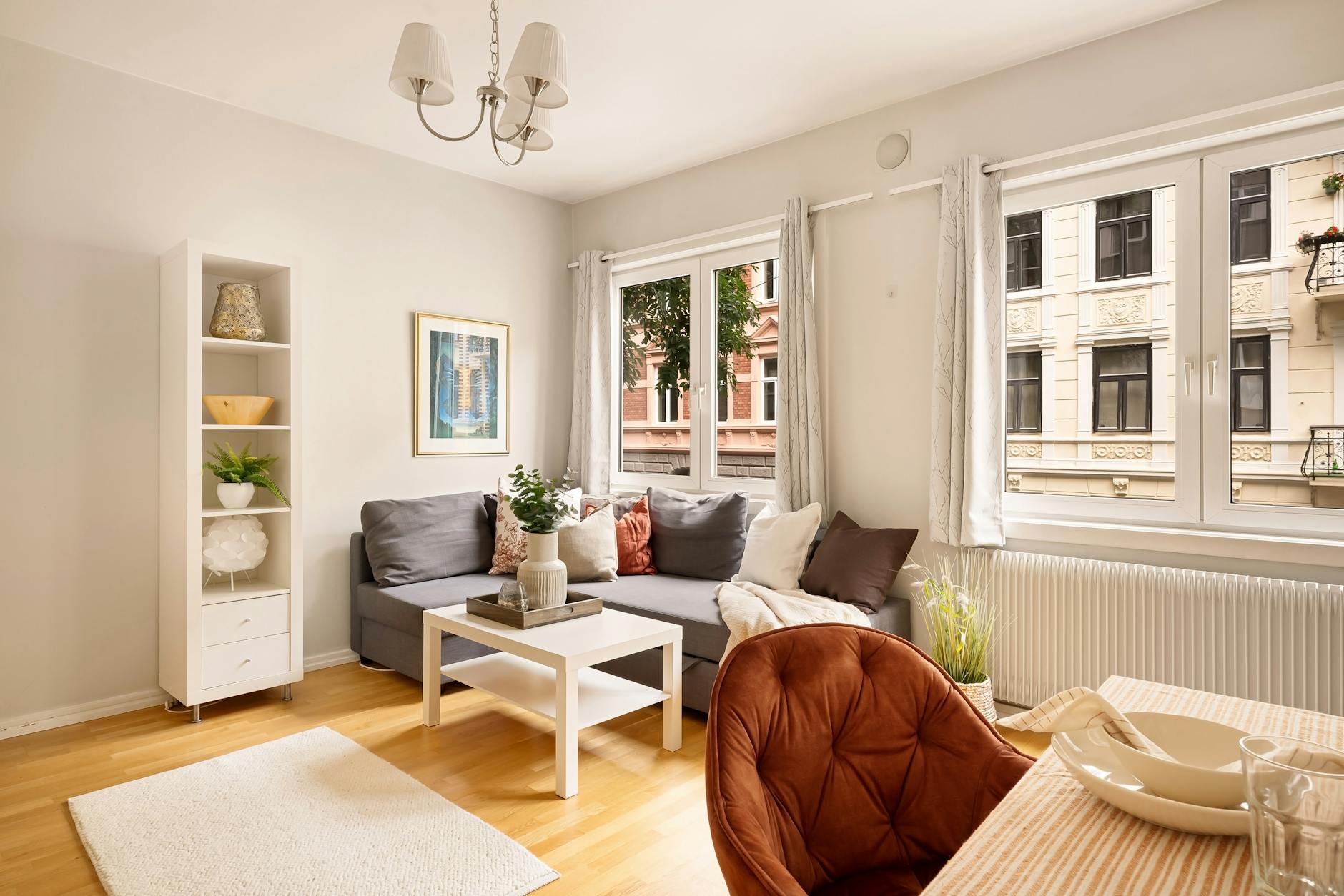
Professional staging costs somewhere between $1,500 and $5,000 for a typical three-bedroom home, and that's before you factor in monthly furniture rental fees. I've heard sellers justify it as a necessary evil, and sometimes it is. But most of the time, it isn't. According to the National Association of Realtors' 2023 Profile of Home Staging, staged homes sell for anywhere from 1% to 5% more than unstaged ones, and the average staging investment returns around 586% at resale. Those numbers get cited constantly to push sellers toward professional stagers. What they don't tell you is that a large portion of that return comes from decisions any attentive homeowner can make themselves, without writing a check to someone else.
Interior designer and property investor Olivia Grant shares her practical, design-forward guide to staging a home for sale without paying a professional.
Start With Subtraction, Not Addition
Every seller's instinct is to add things, to bring in fresh flowers, arrange a cheese board on the kitchen island, maybe prop a bicycle artfully on the porch. But the single most effective staging move is removal. Buyers need to mentally place their lives inside your home, and they can't do that when your life is already filling every corner of it. I tell every seller I work with: if you've lived in this house for more than two years, you need to remove at least 40% of what's in it before a single photo gets taken.
That means clearing countertops down to one or two intentional objects. It means pulling half the clothes out of closets so the rods look airy and spacious. It means taking the family photos off the walls, not because they're offensive, but because they make the house feel like someone else's story. Neutral isn't boring. It's permission. You're giving buyers permission to imagine themselves in the space, and that's exactly what sells houses.
Furniture volume matters too. A sofa that's right for living in a room is often too large for selling it. If you have a sectional dominating a mid-sized living room, consider pulling one section out entirely and putting it in storage. I know that sounds extreme. But rooms photograph bigger when they breathe, and photography is where most buyers make their first emotional decision about your home.
Use What You Have, But Use It Better
One of the biggest misconceptions about staging is that it requires a whole new set of furniture and accessories. It doesn't. In most cases, the pieces are already there. What's missing is intention. When I staged my own townhouse before selling it in 2019, I spent exactly $214 in total. That covered two new throw pillows, a bath mat, and a set of white towels from a discount home store. Everything else came from rearranging what already existed in the space.
The key principle is grouping by function and visual weight. Pull your existing furniture away from the walls slightly. Most people push everything to the perimeter of a room thinking it creates more space. It doesn't. It creates an awkward gap in the middle and makes the room feel like a waiting area. Floating furniture toward the center of the room, even just a few inches, creates conversation zones and makes a room feel purposeful rather than defensive.
And don't underestimate the power of light. Walk through every room at the time your listing photos will be taken and turn on every single light source, including lamps you normally ignore. Open every blind and curtain to its fullest extent. Light adds square footage in photos more reliably than almost any other variable. It's free, and most sellers never bother to think about it.
The Rooms That Actually Move Buyers
Not every room deserves equal attention, and spreading your energy evenly is a mistake. Buyers make purchase decisions based on a short list of rooms: the primary bedroom, the kitchen, and the main living area. Get those three right and you've done the heavy lifting. Spare bedrooms, laundry rooms, and secondary bathrooms matter much less than the staging industry would have you believe.
In the kitchen, clear the counters completely, then put back only one or two styled objects, a small potted herb, a nice cutting board propped against the backsplash. The goal is to signal cleanliness and potential without looking sterile. Buyers want to see themselves cooking there, not scrubbing someone else's residue off the range hood. If your appliances are outdated but functional, clean them until they gleam. A spotless old appliance reads far better than a greasy new one.
For the primary bedroom, white or neutral bedding is non-negotiable. I've seen beautifully designed bedrooms with burgundy duvet covers sit on the market for weeks longer than comparable listings because the color choice felt too personal. Buyers don't connect with your taste in bedding. They connect with the idea of a calm, hotel-like space that feels like an upgrade from whatever they're sleeping in now. Invest twenty or thirty dollars in plain white bedding from any big box store. It photographs extraordinarily well and signals quality without costing much.
The One Thing That Doesn't Always Work
Here's where I'll complicate the narrative, because I think honesty serves sellers better than cheerleading does. DIY staging doesn't work equally well for every property type. Luxury listings above a certain price point, roughly $1.2 million and up in most markets, genuinely benefit from professional staging because buyers at that level expect a curated aesthetic that requires trained eyes and significant inventory. Trying to fake a luxury feel with budget accessories often reads as exactly that: budget accessories in an expensive house. That mismatch can hurt you.
There's also a real challenge when sellers are still living in the home during the listing period. Maintaining a staged look with kids, pets, and daily life happening simultaneously is exhausting, and most families can't sustain it long enough to matter. In those cases, a stager who can work quickly and efficiently before open house weekends might genuinely earn their fee. So I'm not saying never hire one. I'm saying most sellers hire them reflexively, without asking whether their specific situation actually calls for it.
The broader debate in real estate circles is whether staging primarily benefits sellers in slower markets and adds less in fast, low-inventory ones where buyers are competing aggressively regardless. Arguably, that's true. But even in a hot market, well-staged homes tend to attract higher offers and fewer contingencies, which matters when you're evaluating the actual net from a transaction. So staging still earns its keep across most conditions, whether you're paying for it or doing it yourself.
If you're listing your home in the next thirty days, do this today: walk through every room with a box and remove anything that isn't either functional or genuinely beautiful. Then open the blinds, turn on the lamps, and take a photo with your phone from the doorway of each main room. Those photos will tell you everything the buyer will see first. Fix what looks cluttered, fix what looks dark, and resist the urge to add anything until you've spent at least two full hours subtracting. That process alone, done honestly, will do more for your sale price than most of what a stager would charge you $3,000 to accomplish.