Zillow 3D Home Went Free in 2020 and Nobody Talks About It Enough
Zillow made its 3D Home tour tool free in April 2020. Here's what that actually meant for buyers, sellers, and designers in real time.
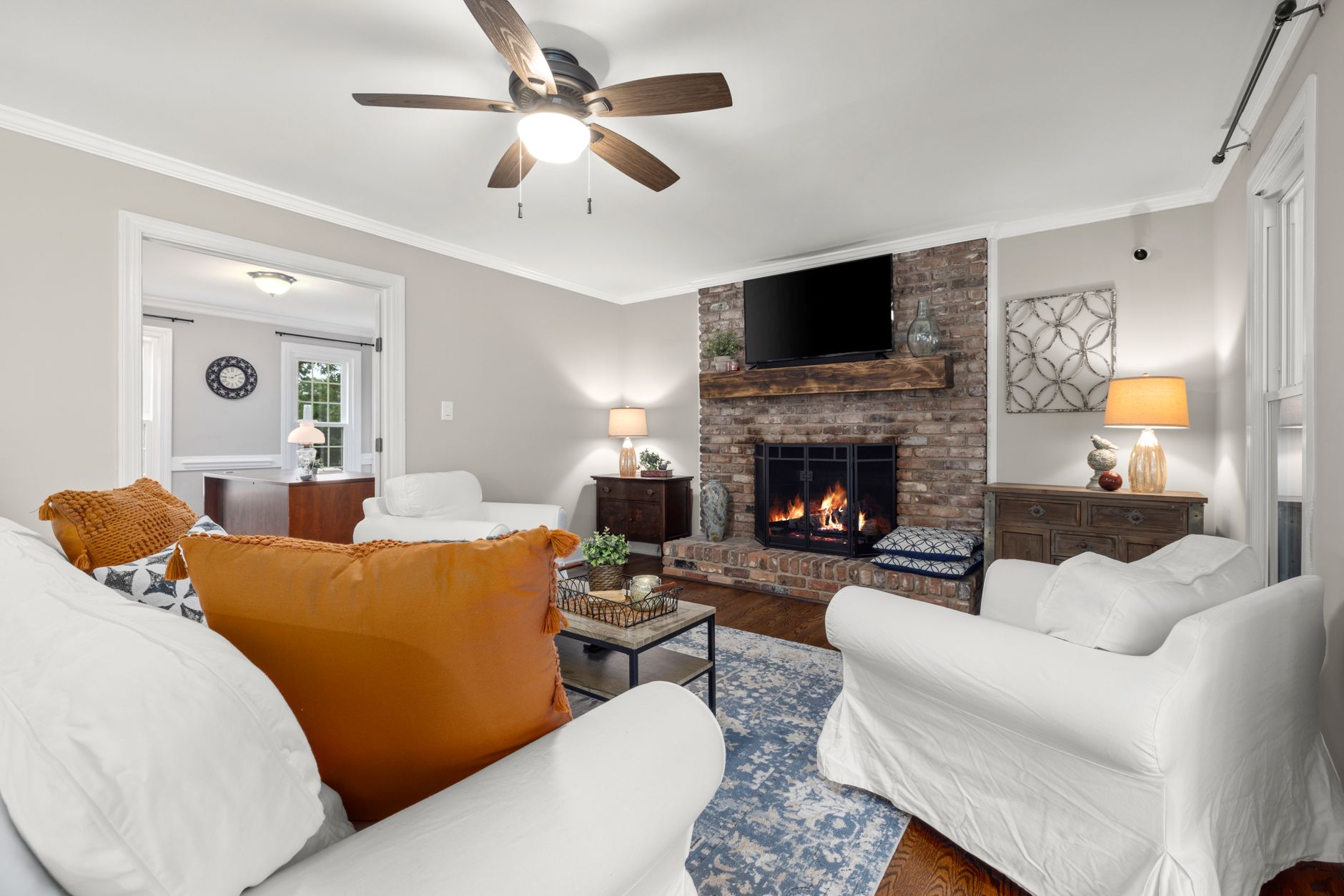
In April 2020, Zillow quietly dropped the price of its 3D Home tour app to zero, and within weeks the entire way people bought and listed property shifted under our feet. I remember sitting in my car outside a vacant two-bed in East Nashville on April 9th, 2020, shooting a 3D walkthrough on my iPhone using the newly free app because my client in Portland couldn't fly in and the open house had been cancelled. The whole shoot took me 47 minutes. She made an offer that afternoon without setting foot in the state. That moment told me everything I needed to know about where residential real estate was heading, and fast.
The timing was not accidental. Zillow announced the no-cost rollout of 3D Home on April 7, 2020, directly citing COVID-19 stay-at-home orders as the reason for dropping what had been a paid feature. But the tool had been in development since 2019, and the pandemic was less a cause than an accelerant. Agents and sellers who'd been skeptical of virtual tours for years suddenly had no alternative. That pressure changed buyer expectations in ways that are still playing out now.
What Zillow 3D Home Actually Was, and Why Free Mattered
Before April 2020, interactive 3D tours were largely the territory of Matterport, whose hardware and software packages ran anywhere from $3,500 for the camera alone up to several hundred dollars a month in hosting fees. That made immersive tours a luxury item, reserved for luxury listings. Zillow's app worked differently: it used an iPhone or a compatible 360-degree camera like the Ricoh Theta Z1 to stitch together a navigable tour, and it lived natively inside Zillow listings where buyers already were. No separate link, no Matterport embed that half the buyers ignored.
Making it free removed the one barrier that had kept adoption at a trickle. According to Zillow Research, listings with a 3D tour got, on average, 29% more views and were saved by buyers 32% more than listings without one during the spring 2020 period. Those numbers don't sound wild until you remember that most of those views were happening because buyers literally could not visit in person. The tour wasn't a bonus. It was the listing.
For agents and designers working on staged properties, this created an immediate workflow question: how do you stage for a camera, not a body? The sightlines that read well in person don't always translate to a 360-degree lens mounted at chest height. I started pulling furniture away from walls slightly more than I normally would, and reducing the number of decorative objects on surfaces by about a third, because clutter registers more aggressively in the spherical lens format than it does to the human eye walking through a room.

The Market Conditions That Made This Land So Hard
Spring 2020 was a strange moment in residential real estate. The first two weeks of lockdown saw transaction volume crater, but by late April and into May, buyer demand had shifted dramatically. The National Association of Realtors reported that 63% of homebuyers in 2020 made an offer on a property they had not seen in person, up from virtually zero the year before. That stat is still astonishing to me. These weren't investors making quick flips. These were families buying primary residences on the basis of a virtual tour and a video call.
That shift put enormous pressure on listing quality. A bad 3D tour, the kind where the stitching breaks and you fall through a wall into the bathroom, was worse than no tour at all. I saw two listings in my market that spring torpedo their own sales because the agent had shot the tour in under ten minutes, with a cheap camera, and the output looked like a fever dream. Buyers moved on immediately. A good tour, shot carefully with consistent lighting and furniture pulled back from doorways, could carry a listing for weeks. For more on this, see Zillow's 3D Home Tool Hit 2019 and Nothing Sold the Same Way Again.
And here's the thing... the buyers who toured virtually were often more committed when they finally did visit, not less. They'd already done their laps mentally. In my experience, virtual-first buyers asked fewer elementary questions at showing and got to offer stage faster. That changed how I prepared seller clients for the process entirely.

Designers Had to Rethink Staging Fast
Okay, I'll be honest about something slightly embarrassing. My first three 3D tours with the Zillow app in April 2020 were genuinely rough. I'd staged the rooms the way I always had, full accessories, layered textiles, the works, and the tours came back looking like a furniture warehouse mid-move. The Ricoh Theta lens I was using exaggerates depth in a way that makes a well-layered styled shelf look like a pile. I ended up re-staging two of those properties before I reshoot, and one client was not thrilled about the second visit fee. Lesson learned at my expense: virtual staging and physical staging are not the same discipline. My friend tried virtual staging software on top of an empty-room photo around the same time and honestly, it looked fine? Which annoyed me slightly. But the 3D tour format demanded real, physical restraint in a way the static photo never had.
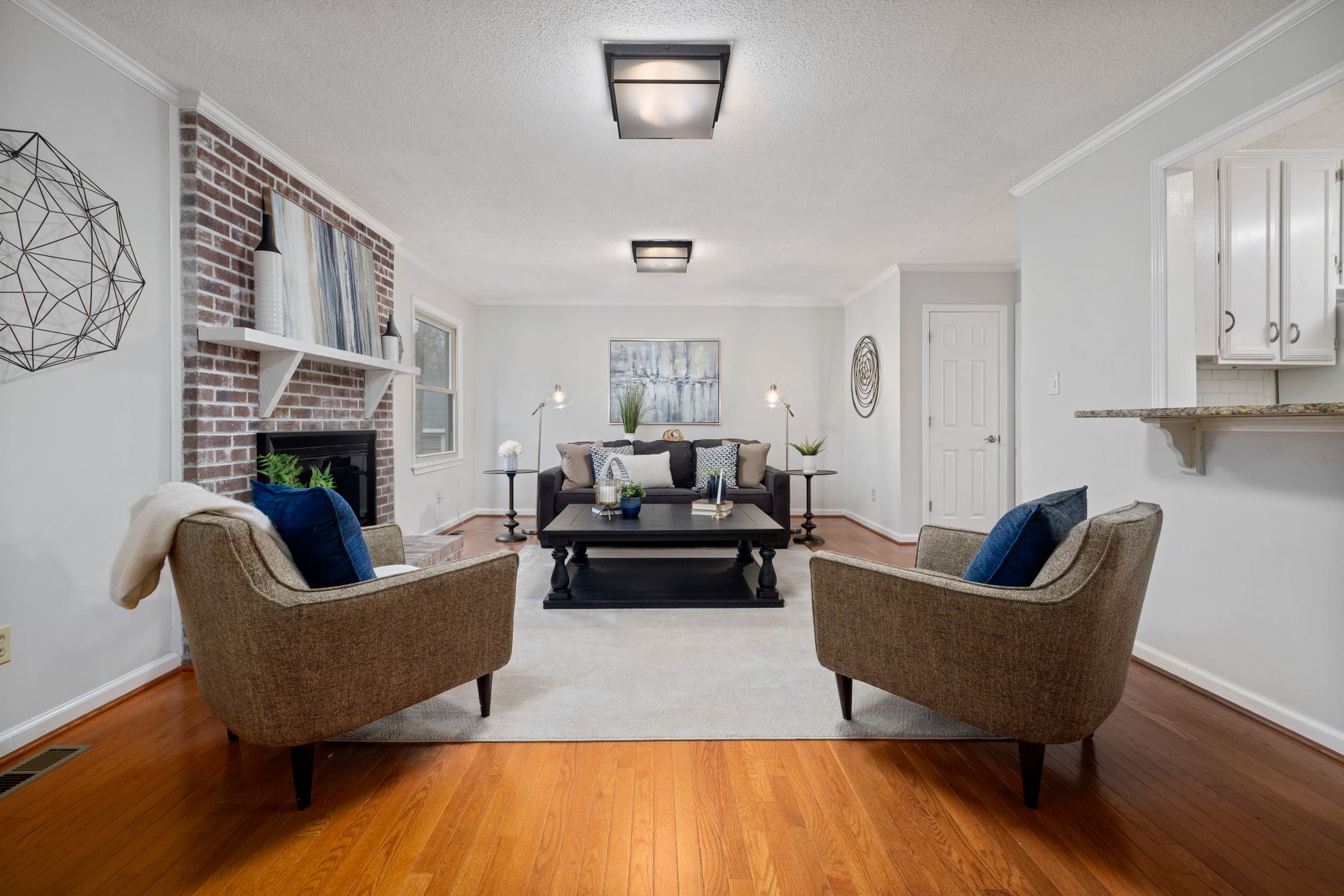
The practical adjustments I landed on: clear at least 18 inches of visual breathing room around each major furniture piece, shoot in the late morning when natural light is softest and most even, and never include more than two bold accent colors per room or the lens turns it into chaos. Those rules held up across around a dozen listings I shot that spring and summer. The tours that followed them got shared. The ones that didn't, didn't.
For those curious about where home design tools have continued to evolve since then, the trajectory from 2020 has been pretty direct. The most notable home design innovations right now show how far the virtual-physical integration has come since Zillow kicked that door open in April 2020.
What This Actually Changed, and What It Didn't
Here's the misconception worth killing: the 3D tour didn't replace the physical showing. Even at the height of lockdown, serious buyers wanted to walk a property before closing. What the virtual tour did was compress the funnel. It filtered out low-intent lookers early, which actually made in-person showings more efficient and, in a hot market with limited showing windows, more competitive. Sellers benefited from that filtering more than they realized.
What it genuinely did change was the geographic boundary of a buyer pool. Sellers in mid-sized markets like Boise, Raleigh, and Chattanooga suddenly had buyers from Seattle and New York who'd never have considered relocating without a credible virtual look at the property first. That demand pressure fed directly into the price run-up those markets saw through 2020 and 2021. The 3D tour didn't cause migration, but it reduced friction enough to make it possible at scale.
The longer-term industry implications are still sorting themselves out. For a look at how commission structures and agent roles have been pressured by the transparency that tools like this created, the NAR commission lawsuit settlement in 2023 is worth understanding as a downstream consequence of buyers becoming more self-directed and more informed. Zillow's April 2020 decision was one early push in that direction. And for anyone tracking how fast the design-and-tech overlap is moving, the May 2026 innovations roundup gives a useful snapshot of where that momentum has reached. For more on this, see Zillow's 3D Home Tours Arrived in 2019 and Changed What Buyers Expect From Listings.
My position is clear: free access to 3D tour technology in 2020 was one of the most consequential single decisions in residential real estate that decade, not because the tool was technically impressive, but because removing the cost barrier forced adoption across every price point simultaneously. Incremental tools don't change behavior. Free tools do.
If you're listing a property right now, shoot a 3D tour. Not a slideshow, not a video walkthrough with elevator music: a navigable, room-by-room 3D tour. Stage for the lens first, the body second. Pull furniture 18 inches from doorways, cut your surface accessories by a third, and shoot in morning light. That's the single biggest gap I still see in mid-market listings in 2024, and it's been a solved problem since April 2020.
The Salon
Frequently asked questions
When did Zillow make 3D Home tours free?
Zillow announced the free rollout of its 3D Home app on April 7, 2020, in direct response to COVID-19 restrictions that prevented in-person showings. The app works with an iPhone or a compatible 360-degree camera like the Ricoh Theta.
Do 3D home tours actually help sell a house faster?
Zillow's own data from 2020 showed listings with 3D tours got 29% more views and were saved 32% more than listings without them. In most cases, they also filter out low-intent buyers earlier, which makes in-person showings more efficient.
How is staging for a 3D tour different from regular staging?
A 360-degree lens exaggerates depth and clutter far more than the human eye does. For 3D tours, pull furniture at least 18 inches from doorways, reduce surface accessories by about a third, and shoot in consistent morning light to avoid harsh shadows.