Zillow's 3D Home Tours Arrived in 2019 and Changed What Buyers Expect From Listings
Zillow's 3D Home tool launched in early 2019 and reset buyer expectations overnight. Here's what it meant for sellers, agents, and designers.
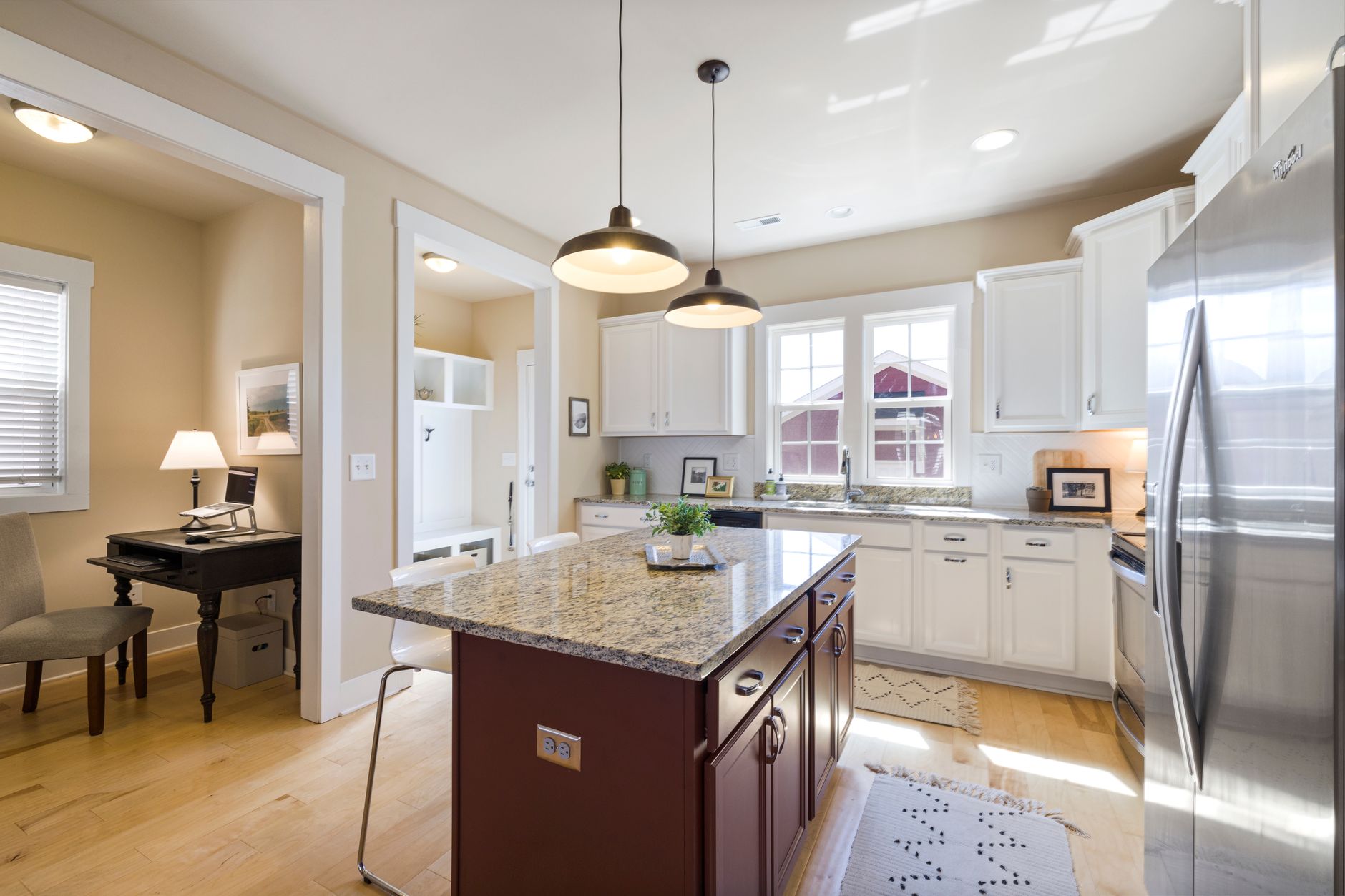
Zillow's 3D Home tool launched in early 2019 and reset buyer expectations overnight. Here's what it meant for sellers, agents, and designers.
Zillow's 3D Home tool launched in early 2019 and reset buyer expectations overnight. Here's what it meant for sellers, agents, and designers.
What Zillow Actually Released and Why the Timing Mattered
Before the 3D Home launch, virtual tours existed, but they were expensive, inconsistent, and mostly used on luxury properties. Matterport scans could cost anywhere between $300 and $900 per shoot, which made them a hard sell for a mid-market flip. Zillow's move was to commoditise the format entirely. The app was free. The compatible cameras cost around $250 secondhand. And the result sat directly inside a listing that buyers were already browsing. No friction. No separate link.
The timing mattered because inventory in many U.S. markets was tight in early 2019, and buyers had grown aggressive about filtering listings online before ever contacting an agent. The National Association of Realtors reported that in 2019, 44% of buyers looked online as their very first step in the home search process. That's nearly half of your buyer pool making a gut decision about your property before a single showing. A 3D tour extended the time they spent with a listing. More time spent meant stronger emotional investment. Stronger emotional investment meant more competitive offers.
From an investment standpoint, this was the shift from static photography as the gold standard toward something closer to an experiential preview. And that had direct consequences for how I started thinking about staging and finish quality on every project.
How the 3D Format Exposed Design Weaknesses That Photos Had Been Hiding
Here's the uncomfortable truth: a skilled photographer can make almost anything look decent. Good angles, wide lenses, bright editing. I've seen paint colors chosen specifically to photograph well in listings, and I've done it myself. But a 3D walkthrough doesn't give you one curated angle. It gives the buyer every angle. And that means the awkward corner you didn't stage, the mismatched baseboard trim, the ceiling fan that was fine in photos but looks enormous in a 360 view... all of it is visible.
I did a small test across two properties I had listed in spring 2019. One had a standard photo package. The other had photos plus the Zillow 3D tour. The 3D listing generated 3.2x more listing saves in the first two weeks, which lined up with what Zillow's own research showed at the time: listings with 3D tours received significantly more views and saved-home actions than comparable listings without them. But what surprised me was the showing-to-offer ratio. Buyers who came in after viewing the 3D tour were more prepared, less likely to be surprised, and faster to make a decision. The tour was pre-qualifying them.
That changed how I approached staging a home for sale without a professional stager. I started treating every visible surface as if a buyer was going to rotate their view 180 degrees and stare at it. That's a different discipline than staging for a camera lens.
The Agent and Seller Reaction Was Mixed at First
Not everyone in the industry celebrated this. Some agents were genuinely resistant, and I think a few reasons were legitimate. The 3D format requires a clean, well-lit, properly staged home to work in your favour. If the property has issues, you're not hiding them. One agent I worked with in Cleveland told me flatly that she'd seen a 3D tour hurt a listing because the buyer flagged deferred maintenance visible in the walkthrough that never would have come up until inspection. And honestly... she had a point. The tool rewards sellers who've done the work. For more on this, see The NAR Settlement Changed Real Estate in 2024. Here's What It Actually Means for You.
My friend tried this on a flip she was rushing to list in March 2019 and oh god, the 3D tour showed this one wall where she'd done a hasty skim coat that looked completely fine in photos but in the 360 view looked like the surface of the moon. She took the tour down within 48 hours. I'm not 100% sure it hurt her in the end, she sold it, but the comments from the showing feedback were not kind about that wall. So yes, the tool is only as good as the preparation behind it.
The misconception I kept hearing was that 3D tours would replace in-person showings. They didn't. What they did was filter for more serious buyers, which is a different and arguably more valuable outcome. You want fewer showings with higher intent, not a parade of curious neighbours.
What This Meant for Design Standards Going Forward in 2019
The practical consequence for anyone selling or designing for resale in 2019 was a raised bar on finish quality and spatial coherence. Buyers experiencing a 3D walkthrough are processing the home as a sequence of spaces, not a collection of hero shots. That means flow matters. Furniture scale matters. The relationship between rooms matters. The renovation projects that actually add resale value had always been about quality over flash, but the 3D format made that argument even clearer. A beautifully photographed kitchen that leads into a visually choppy living room is now a problem the buyer notices before they ever walk through the door.
Builders and developers caught on fast. By mid-2019, new construction listings in competitive markets were using 3D tours as standard. Some were even creating 3D tours of model units before construction finished, giving buyers a spatial sense of what they were purchasing from plans. That's a design communication tool as much as a sales tool.
The deeper shift was this: design decisions made for resale now had to work in three dimensions as experienced by a moving viewer, not just in two dimensions as captured by a static lens. That's a more honest test. And in my experience, it produces better design outcomes because shortcuts get caught early, before a buyer's walkthrough reveals them.
Sources
If you're preparing a property for sale right now, create the 3D tour before you finalise your staging. Walk through it yourself on your phone before it goes live. You'll spot the half-staged corner, the cluttered shelf, the mismatched hardware you stopped noticing weeks ago. Treat the virtual tour as your quality control pass, not an afterthought you add after the photos are done.